
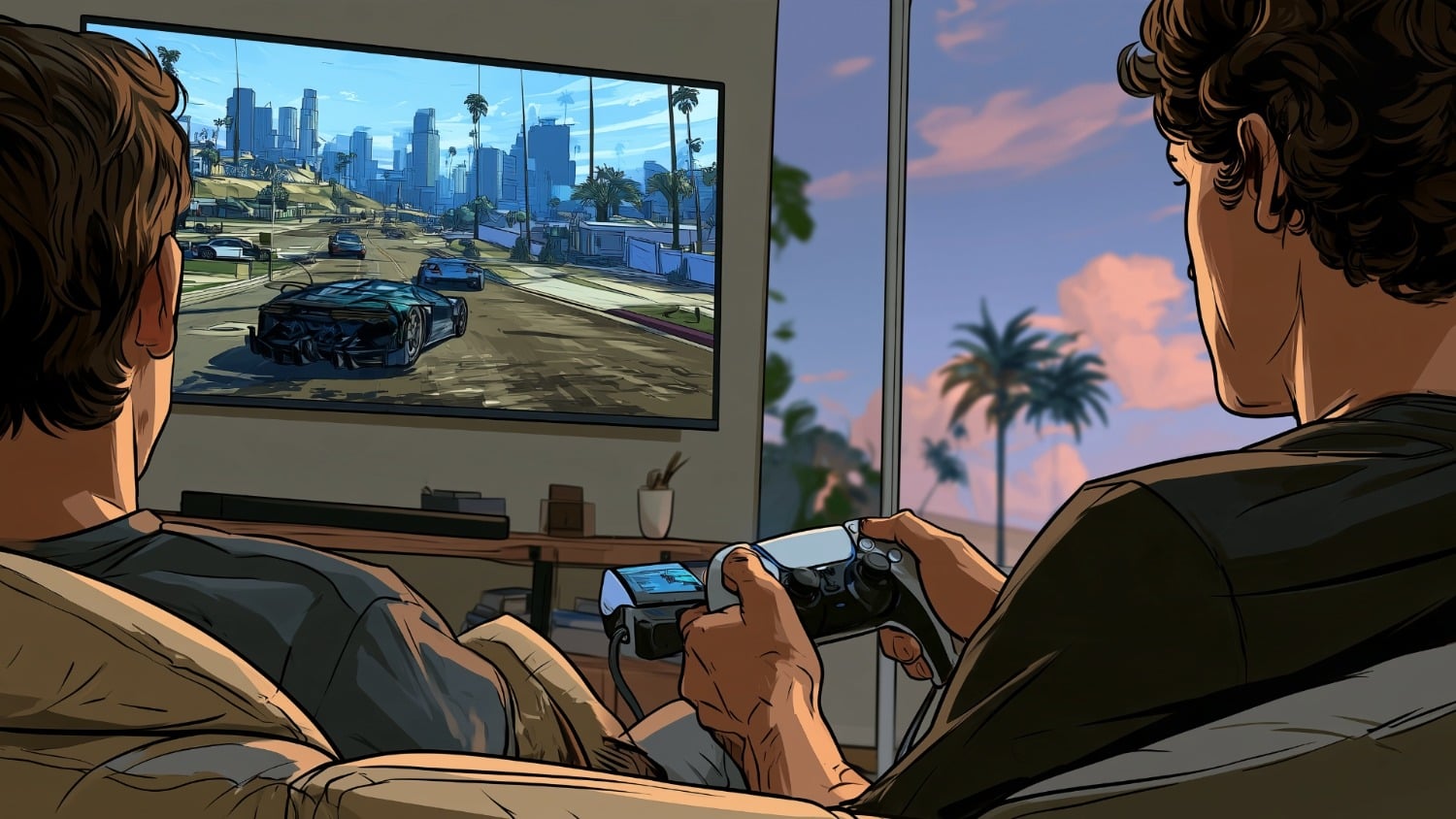
Dario Amodei suggested that hyper-addictive video games could stop a revolution once AI takes away jobs from regular workers. He pointed out that highly engaging digital play might keep people calm and distracted when they have no work left to do. This unusual idea shows how top artificial intelligence leaders view the future of gaming and society.
What did Dario Amodei suggest about video games?
The core idea is simple and chilling. If artificial intelligence takes over most jobs, millions of people will have no work to fill their days. Dario Amodei suggested that tech companies could build hyper-addictive video games to keep the public occupied. The goal would be to stave off mass protests and civil unrest before any real uprising can start.
This puts video games in a completely new light. Instead of being fun tools for relaxing with friends, games become tools to keep crowds quiet. Here are the main parts of this suggestion:
- Artificial intelligence could replace human workers across many normal industries.
- Unemployed workers might get angry and start a major revolution against the system.
- Hyper-addictive video games could be used as a distraction to keep people peaceful at home.
Why would hyper-addictive video games stop public anger?
When people lose their daily jobs, they often feel bored, useless, and very angry. Throughout history, large groups of jobless people have gathered in streets to demand fair treatment from leaders. If those people spend all their hours glued to computer screens instead, they do not gather in city squares. Highly engaging gameplay gives players cheap goals, digital rewards, and a sense of progress that real life might not offer anymore.
Modern game makers already know how to make titles hard to put down. They use bright reward loops, endless tasks, and clever design tricks to keep hands on controllers. If smart computer systems help design these virtual worlds, the games could become even harder to walk away from. That means people might focus entirely on winning fake digital points rather than fixing real problems in their towns.
What does this mean for players and the future?
For everyday gamers, this comment shows that big tech bosses see gaming as more than just a hobby. It shows they look at virtual worlds as a way to control social mood and manage huge crowds. Players already spend hours every week grinding for gear and exploring massive online maps. If games are built to replace the feeling of a real job, the line between free fun and quiet control becomes very blurry.
The next thing to watch is how software companies build new titles as automation grows. If big technology teams invest heavily in virtual worlds while laying off human staff, players should pay close attention. Gamers will have to ask themselves if they play because they love art, or because a screen keeps them from looking at the world outside.